Trauma and Addiction: How Painful Experiences Can Lead to Substance Use Disorder
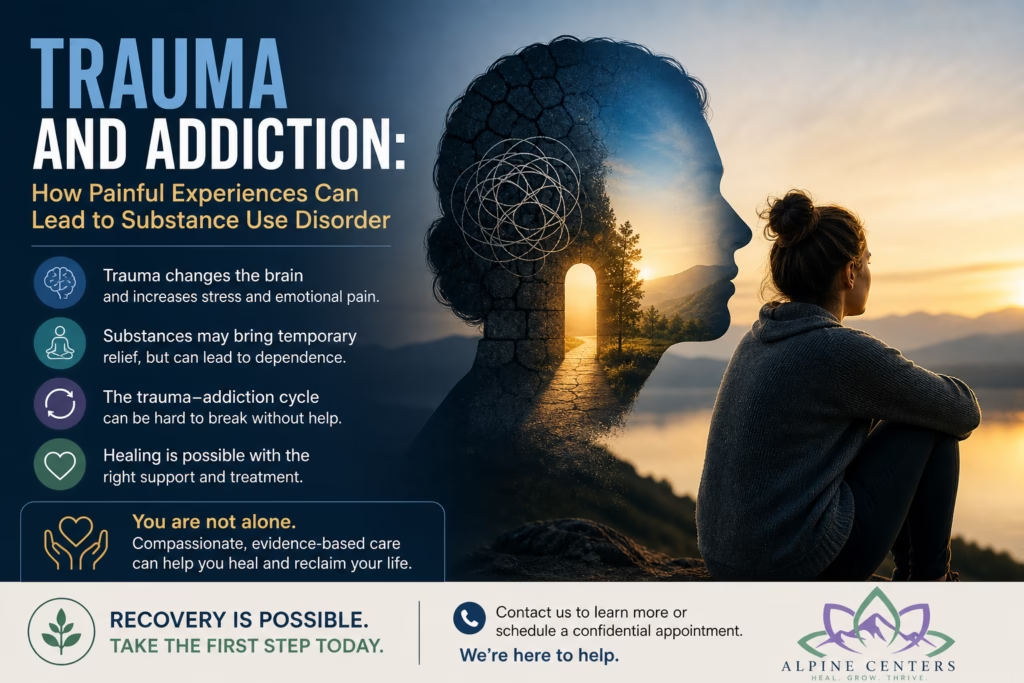
Trauma is one of the most important—and often overlooked—risk factors in the development of substance use disorders. While addiction is frequently misunderstood as a matter of choice or willpower, research shows that many individuals begin using substances as a way to cope with overwhelming emotional pain.
Understanding the connection between trauma and addiction helps reduce stigma and allows individuals and families to recognize substance use for what it often is: a response to distress, not a lack of character.
What Is Trauma?
Trauma refers to any experience that overwhelms a person’s ability to cope emotionally, psychologically, or physically. It is defined less by the event itself and more by how it impacts the individual. Experiences such as abuse, violence, serious accidents, medical emergencies, loss of a loved one, or prolonged stress can all lead to trauma. Regardless of the source, trauma can disrupt a person’s sense of safety and make it difficult to regulate emotions, think clearly, or feel in control.
How Trauma Affects the Brain
Trauma can significantly change how the brain processes stress. Systems responsible for fear, memory, and decision-making can become overactive, leaving the nervous system stuck in a constant state of alertness. As a result, individuals may experience ongoing anxiety, emotional numbness, sleep disturbances, or difficulty managing everyday stress. When the brain is operating in this heightened survival mode, it often drives a strong need for relief.
Why Trauma Increases the Risk of Addiction
For many people, substances provide temporary relief from emotional pain. Alcohol or drugs may numb distressing memories, reduce anxiety, or create a brief sense of calm. Over time, the brain begins to associate substance use with relief, reinforcing the behavior. As tolerance builds, individuals may need more of the substance to achieve the same effect, which can gradually lead to dependence. This process is not about weakness—it reflects how the brain adapts to repeated attempts to cope with distress.
The Trauma–Addiction Cycle
Without treatment, trauma and substance use often become closely intertwined. Emotional pain from trauma can drive substance use, while the consequences of substance use—such as relationship strain, work issues, or health problems—can increase stress and deepen that same pain. This cycle can feel overwhelming and difficult to break, especially without support that addresses both issues at the same time.
Co-Occurring Disorders
It is very common for individuals struggling with addiction to also experience trauma-related mental health conditions such as PTSD, anxiety, or depression. These are known as co-occurring disorders. When treatment focuses only on substance use without addressing underlying trauma, individuals are more likely to continue struggling or experience relapse. Effective care takes a comprehensive approach, helping individuals heal both physically and emotionally.
Healing Is Possible
Recovery involves more than stopping substance use—it requires addressing the underlying experiences that contribute to it. With the right support, individuals can learn to manage emotions in healthier ways, process traumatic experiences safely, and rebuild a sense of stability and control in their lives. Evidence-based approaches such as trauma-informed care, cognitive behavioral therapy (CBT), and EMDR are commonly used to support long-term healing and recovery.
When to Seek Help
It may be time to seek professional help if substance use has become a way to cope with stress, anxiety, or emotional pain, especially when it continues despite negative consequences. A history of trauma combined with increasing substance use, or noticeable impacts on relationships, work, or health, are also important signs that support may be needed. Seeking help early can make a significant difference in long-term recovery outcomes.
Get Help at Our Clinic
If you or a loved one is struggling with substance use and unresolved trauma, you are not alone—and effective help is available.
Our outpatient addiction recovery clinic provides compassionate, evidence-based care designed to address both addiction and underlying mental health needs. Recovery is possible, and it often begins with a simple step.
Contact us today to learn more or schedule a confidential appointment. 801-268-1715 alpinecenters.com