Mental Health vs Addiction: How to Know What You’re Really Dealing With
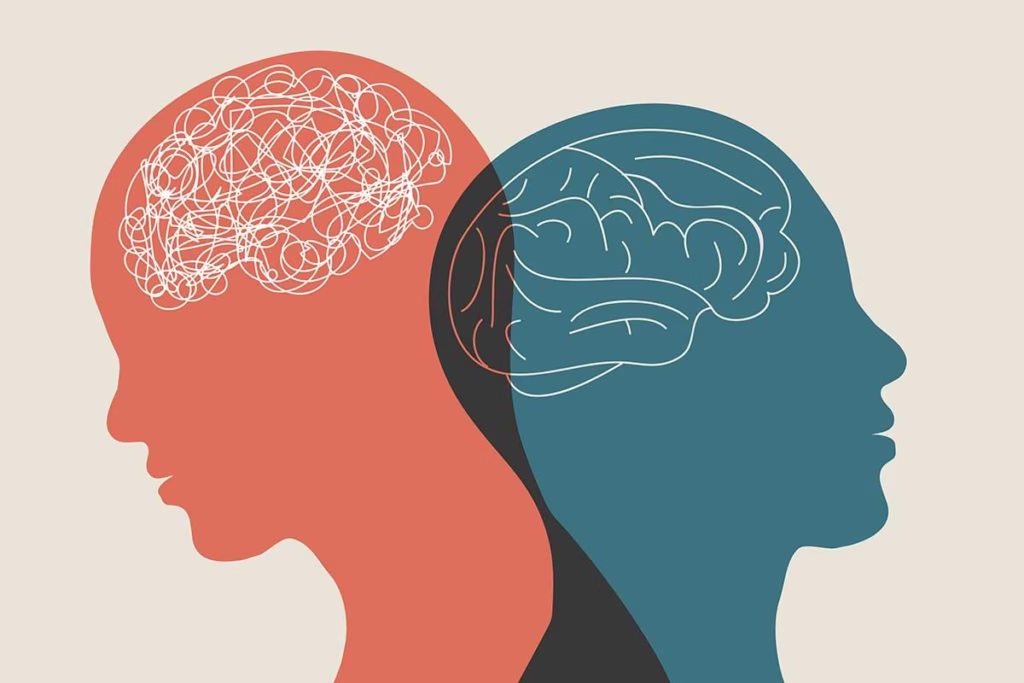
Struggling with mental health or addiction? Learn the key differences, warning signs, and treatment options in Salt Lake City. Call Alpine Centers today.
Why This Question Matters More Than Ever
In Salt Lake City, more people are searching for help with:
- Anxiety
- Depression
- Alcohol use
- Prescription drug dependence
But here’s the problem:
Many people don’t know whether they’re dealing with a mental health condition, an addiction — or both.
And getting this wrong delays real recovery.
What Is a Mental Health Disorder?
Mental health disorders affect how you:
- Think
- Feel
- Handle stress
- Relate to others
Common conditions include:
- Anxiety disorders
- Depression
- PTSD
- Bipolar disorder
These conditions can exist with or without substance use.
What Is a Substance Use Disorder (Addiction)?
A substance use disorder happens when:
- You lose control over use
- You continue despite negative consequences
- Your brain begins to rely on the substance
Common substances:
- Alcohol
- Opioids
- Stimulants
- Prescription medications
According to the Substance Abuse and Mental Health Services Administration, millions of Americans experience substance use disorders each year — often alongside mental health issues.
The Overlap: When It’s Both (Dual Diagnosis)
This is where most people fall — and where most programs fail.
It’s called co-occurring disorders (or dual diagnosis).
Examples:
- Anxiety → drinking to cope
- Depression → drug use to escape
- Trauma → substance dependence
The substance becomes a temporary solution that turns into a bigger problem.
5 Key Differences Between Mental Health and Addiction
1. Control
- Mental health: Symptoms feel overwhelming
- Addiction: You lose control over behavior
2. Substance Dependence
- Mental health: No physical dependency required
- Addiction: Tolerance + withdrawal develop
3. Behavioral Patterns
- Mental health: Internal struggle
- Addiction: External behaviors (use, hiding, lying)
4. Progression
- Mental health: Can fluctuate
- Addiction: Typically worsens over time
5. Treatment Approach
- Mental health: Therapy + medication
- Addiction: Structured programs + accountability
How to Know Which One You’re Dealing With
Ask yourself:
- Do I use substances to cope with how I feel?
- Have I tried to stop and couldn’t?
- Are my symptoms still there even when I’m sober?
If the answer is “yes” to multiple — you’re likely dealing with both.
Why Treating Only One Doesn’t Work
This is one of the biggest mistakes in healthcare.
- Treat anxiety only → addiction continues
- Treat addiction only → underlying issues trigger relapse
That’s why integrated treatment is critical.
According to the National Institute on Drug Abuse, treating both conditions together significantly improves long-term outcomes.
Treatment Options in Salt Lake City
At Alpine Centers, treatment is built around both sides of the problem.
Options include:
- Individual Therapy
- For mental health stabilization
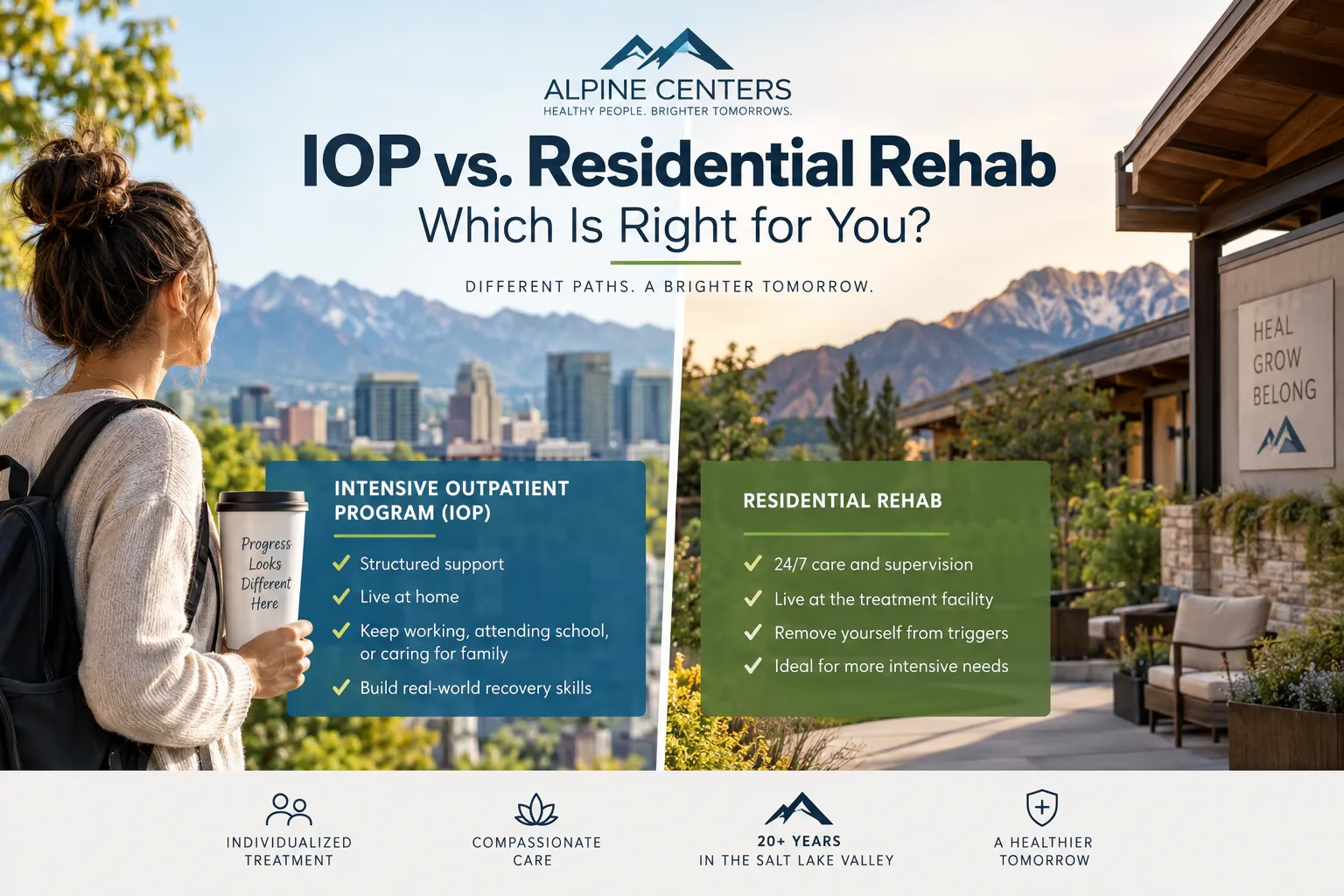
- Intensive Outpatient Program (IOP)
- Structured support for addiction + mental health
- Medication Management
- Stabilizes mood, anxiety, and cravings
Most clients benefit from a combination approach.
Local Advantage: Why Staying in Salt Lake City Helps
- Maintain work and responsibilities
- Stay close to support systems
- Apply what you learn in real life immediately
When to Seek Help Immediately
Don’t wait if:
- You feel out of control
- Your relationships are suffering
- You’re using substances daily or heavily
- Your mental health is worsening
Early intervention = faster recovery.
Take the First Step Today
You don’t have to figure this out alone.
Call Alpine Centers for a confidential assessment.
We’ll help you determine:
- What you’re dealing with
- What level of care you need
- How to start immediately
No pressure. Just clarity.